
Introduction
In today’s digital-first world, data centres form the backbone of business operations, cloud computing, artificial intelligence, telecommunications, and enterprise IT services. As organisations increasingly rely on digital technologies, the demand for reliable, scalable, and energy-efficient data centre infrastructure continues to grow.
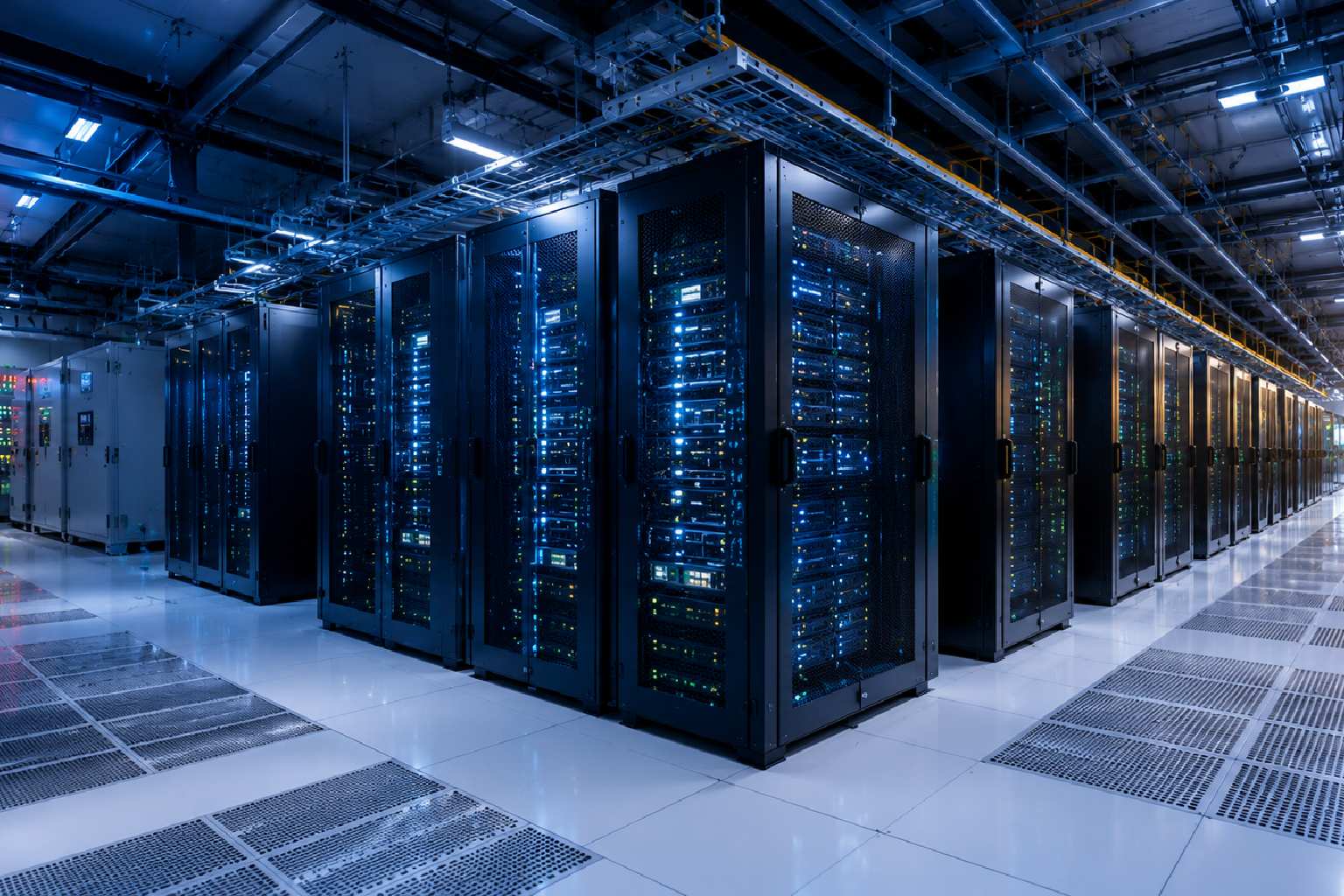
A modern data centre is far more than a building filled with servers. It is a highly engineered ecosystem that integrates power systems, cooling infrastructure, networking, security, monitoring, and operational controls to ensure continuous availability and optimal performance.
This article explores the key components that make up a modern data centre infrastructure and explains why each element is critical to mission-critical operations.
1. Building & Structural Infrastructure
The foundation of every data centre begins with a robust civil and structural framework designed to support heavy equipment loads and future expansion requirements.
Key Elements
- RCC and structural steel framework
- Equipment foundations
- Seismic and load-bearing design
- Fire-rated walls and partitions
- Roof and weatherproofing systems
- Utility trenches and service corridors
A well-designed structure ensures long-term durability, operational safety, and scalability for future growth.
2. Electrical Power Infrastructure
Power availability is the most critical requirement for any data centre. Even a few seconds of downtime can result in significant financial and operational losses.
Key Components
- HT & LT Power Distribution Systems
- Transformers
- Switchgear Panels
- Bus Duct Systems
- Power Distribution Units (PDUs)
- Automatic Transfer Switches (ATS)
- Earthing & Lightning Protection Systems
Modern facilities incorporate redundant power paths to ensure uninterrupted operations during maintenance or unexpected failures.
Benefits
- High availability
- Reliable power distribution
- Reduced downtime risk
- Enhanced equipment protection
3. UPS (Uninterruptible Power Supply) Systems
UPS systems act as the first line of defence against power disruptions.
Functions
- Instant backup during utility power failures
- Power conditioning and voltage stabilization
- Protection against electrical disturbances
Typical Infrastructure
- Modular UPS Systems
- Battery Banks
- Battery Monitoring Systems
- Redundant Power Architecture
UPS systems provide continuous power until backup generators become operational.
4. Diesel Generator (DG) Backup Systems
Backup generators ensure uninterrupted operation during prolonged utility outages.
Key Components
- DG Sets
- Fuel Storage Tanks
- Fuel Automation Systems
- PLC-Based Monitoring
- Exhaust Systems
- Fuel Leak Detection Systems
Modern data centres deploy multiple DG sets configured with redundancy to maintain operational continuity.
5. Cooling Infrastructure (HVAC)
Servers generate substantial heat during operation. Without effective cooling, equipment performance and reliability can be severely impacted.
Cooling Systems
- CRAC (Computer Room Air Conditioner)
- CRAH (Computer Room Air Handler)
- Chilled Water Systems
- Precision Air Conditioning Units
- Cooling Towers
- Pumps and Heat Exchangers
Objectives
- Maintain temperature stability
- Control humidity levels
- Prevent overheating
- Improve equipment lifespan
Efficient cooling systems contribute significantly to overall energy performance.
6. Airflow Management Systems
Proper airflow management is essential for maintaining thermal efficiency inside the data centre.
Common Solutions
- Hot Aisle Containment
- Cold Aisle Containment
- Raised Floor Air Distribution
- Return Air Systems
- Airflow Monitoring Sensors
Benefits
- Reduced cooling energy consumption
- Elimination of hot spots
- Improved equipment performance
- Higher rack density support
Effective airflow management helps optimise operational costs and cooling efficiency.
7. Raised Floor Infrastructure
Raised flooring is a standard feature in many modern data centres.
Functions
- Air distribution
- Cable routing
- Utility access
- Future scalability
Advantages
- Organized infrastructure layout
- Improved airflow management
- Easier maintenance access
- Flexible equipment deployment
Raised floors help maintain a clean and efficient operating environment.
8. Network & Structured Cabling Infrastructure
The network infrastructure enables communication between servers, storage systems, users, and cloud platforms.
Components
- Fiber Optic Cabling
- Structured Copper Cabling
- Network Switches
- Routers
- Patch Panels
- Cable Management Systems
Benefits
- High-speed connectivity
- Scalability
- Improved network performance
- Reduced downtime
A robust cabling infrastructure supports future technology upgrades and business growth.
9. Fire Detection & Suppression Systems
Fire protection is a critical safety requirement for mission-critical facilities.
Systems Commonly Used
- VESDA (Very Early Smoke Detection Apparatus)
- Smoke Detection Systems
- Fire Alarm Panels
- Gas-Based Suppression Systems
- Sprinkler Systems
- Fire-Rated Doors & Barriers
Objectives
- Early fire detection
- Rapid response
- Protection of critical assets
- Compliance with safety regulations
Modern fire protection systems are designed to minimise business interruption and equipment damage.
10. Security Infrastructure
Data centres require multiple layers of physical security to protect valuable assets and sensitive information.
Security Components
- Access Control Systems
- Biometric Authentication
- CCTV Surveillance
- Visitor Management Systems
- Perimeter Protection
- Security Monitoring
Benefits
- Restricted access
- Asset protection
- Regulatory compliance
- Enhanced operational security
Physical security works alongside cybersecurity measures to protect critical infrastructure.
11. Building Management System (BMS)
A building management system provides centralised monitoring and control of critical infrastructure.
Monitored Systems
- Electrical Infrastructure
- HVAC Equipment
- Power Consumption
- Temperature & Humidity
- Fire Detection Systems
- Environmental Monitoring
Advantages
- Real-time monitoring
- Faster issue detection
- Improved operational efficiency
- Predictive maintenance support
BMS enables facility teams to manage infrastructure proactively.
12. Integrated System Testing (IST)
Before commissioning, all critical systems must be tested together under operational conditions.
IST Includes
- Power Failure Simulations
- UPS Testing
- Generator Testing
- HVAC Performance Validation
- Fire Alarm Testing
- BMS Integration Testing
Purpose
- Verify system interoperability
- Identify potential issues
- Ensure operational readiness
- Minimize deployment risks
Integrated system testing is a crucial step in delivering a reliable data centre facility.
The Future of Data Center Infrastructure
Emerging technologies such as artificial intelligence (AI), edge computing, high-density computing, and liquid cooling are reshaping the future of data centre design.
Future-ready data centres are increasingly focused on:
- Energy efficiency
- Sustainability
- Automation
- Renewable energy integration
- Advanced cooling technologies
- Intelligent infrastructure management
Organisations that invest in modern infrastructure today will be better positioned to meet future digital demands.
Conclusion
A modern data centre is a complex ecosystem where power, cooling, networking, security, and monitoring systems work together to ensure continuous operations. Every component plays a vital role in delivering reliability, scalability, and performance.
As businesses continue to accelerate their digital transformation journeys, investing in robust and future-ready data centre infrastructure will remain essential for long-term success.
At AEPL, we specialise in delivering end-to-end Data Center Infrastructure Solutions, including Civil Works, Electrical Systems, HVAC Infrastructure, Precision Cooling, Network Infrastructure, Testing & Commissioning, and Mission-Critical Facility Development across India.